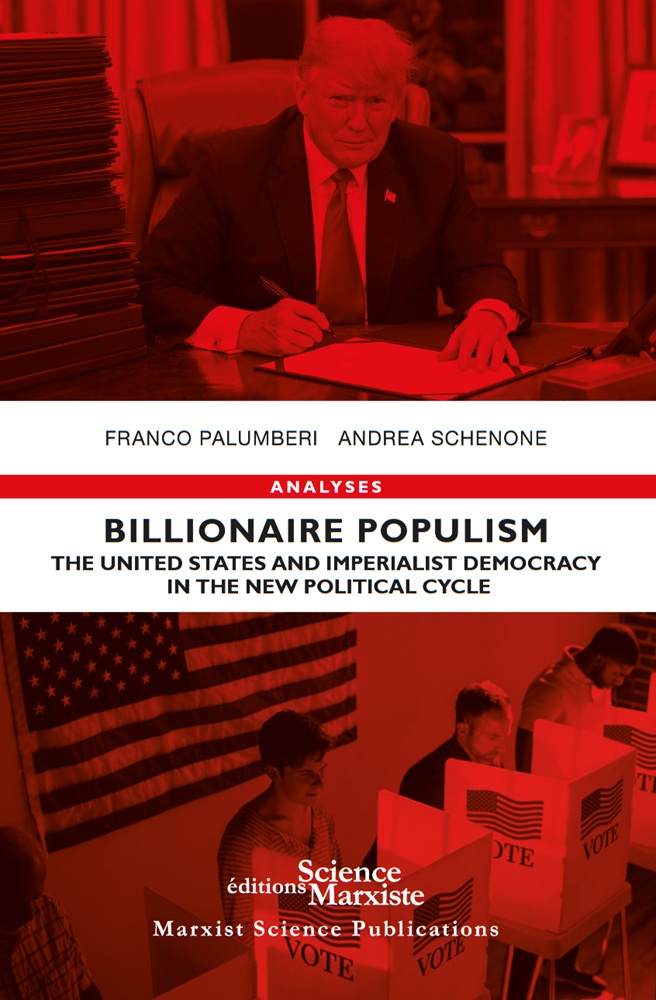
The liberal press finds itself caught between shock and disbelief at the outcome of the US election. Donald Trump’s near-direct involvement in the assault on Capitol Hill was not enough to deter his return, nor were his trials and convictions on charges ranging from the sordid to the absurd. As a silver-tongued real estate developer, he was a salesman peddling square metres of luxury flats to New York’s nouveau riche. As a self-promoter in the theatrical world of reality TV, his imperious arm gesture became a symbol of abrupt dismissals. He cultivated an image as the embodiment of the successful capitalist, flaunting the gaudy opulence of his “Trump Towers” and casinos, all while revelling in the media attention surrounding his high-profile romantic exploits. At his swearing-in, the new president decreed the end of the American “decline” and the beginning of a “new golden age”, an allusion to the Gilded Age of the last decades of the 19th century, which witnessed the tumultuous development of American capitalism up to its imperialist irruption. It is indeed a sign of the times that the American presidency imagines it can confront US decline by resurrecting the policies and models of its imperialist rise, almost mimicking the dawn to escape the dusk. At that time, the US had no rival equivalent to China to contend with, and if anything, the US had the same historical role vis-a-vis the declining British Empire that ascendant China has vis-a-vis America today. It should be borne in mind that, when it found in Wilhelmine Germany another pretender to the British inheritance, Washington felt compelled to intervene in the First World War, and it is here that differences and similarities with China’s irruption today must be explored. The provisional answer to the question of American nationalism and the wars of the crisis in the world order is this: whatever contingent position the Trump administration may take, the general trend of the global contention is settled, and in any event the new arms race will not be reversed. But the new American nationalism can make as much of a difference in the “slowdown” as in the “acceleration” of the unravelling of the old relations, and the same applies to the counter-reactions in China, Europe, Japan, Russia, India, or Brazil, to speak only of the major powers. Will the multilateral order survive? Amidst crises and tensions that could one day be the proverbial drop that makes the cup overflow, will Trump’s presidency cause it to fill more or less quickly?
